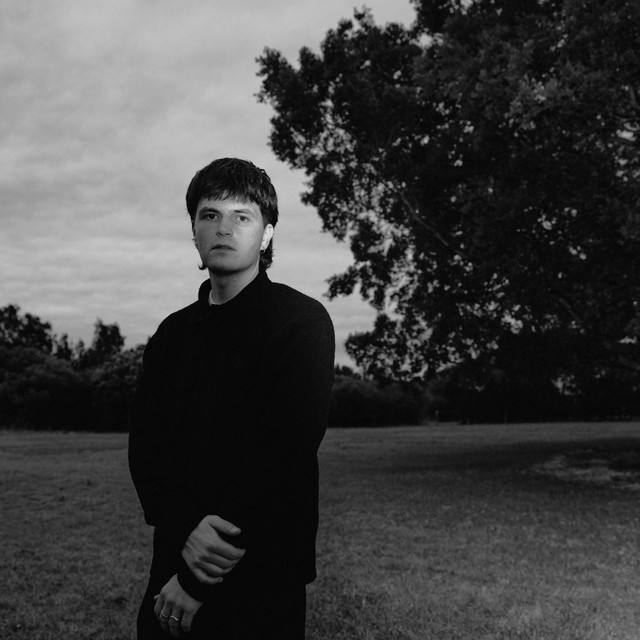
Overview
Harry Hayes is usually filed under Psychedelic Rock, Singer-Songwriter, Progressive Rock—use the tags in the header to dig into similar records in your library. The discography section lists 5 releases spanning 2025–2026, each linking to full artwork, metadata, and track lists. The biography section below has the full write-up.
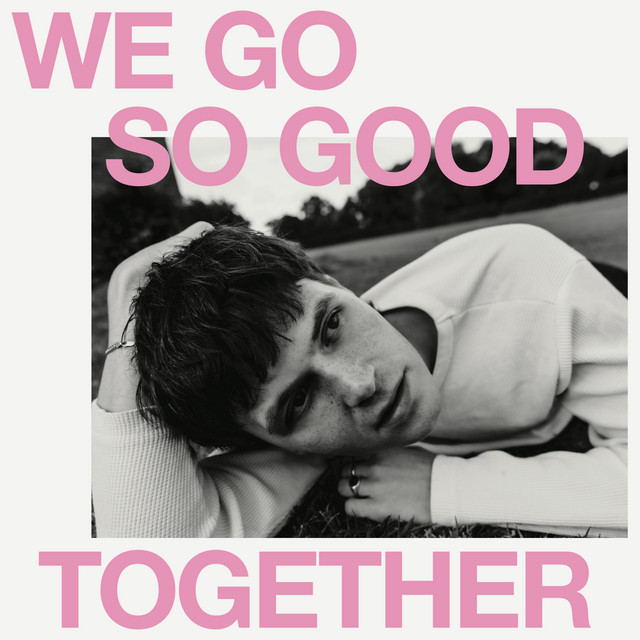
Latest Release
View Album DetailsWe Go So Good Together
single • 2026 • 2 Tracks
Biography
Harry Hayes (1909-2002) was an English jazz saxophonist.
Hayes was born in Marylebone, London on 23rd March 1909, the son of a bookmaker. At the age of eleven he won a scholarship to the local grammar school, and his parents rewarded him with the gift of a soprano saxophone. He took to the instrument immediately and became a professional musician at sixteen, taking a job at the Regent Dance Hall, Brighton.
In 1927 he joined Fred Elizalde's Orchestra at the Savoy Hotel, and over his career he played with some of the best known bandleaders. He was called up in 1940, serving in the Band of the Welsh Guards, but continued much of his recording and broadcasting work with Geraldo, whose 1940 version of "Sweet Sue", featuring a solo by Hayes, is startlingly fiery for the period.
Demobbed in 1944, in the same year he signed a contract with HMV Records and began the series of small-band recordings which established his reputation with the wider public. These bands featured an elegant, cool modern sound which was the forerunner of the new sounds about to engulf British modern jazz in the late 1940s. Based loosely on the small bands drawn from Duke Ellington's orchestra, the band featured such players as George Chisholm , Kenny Baker, Aubrey Frank, George Shearing, and Tommy Whittle, and often included compositions by Hayes himself. The band was resident at Churchill's Club from 1945 to 1947 and was something of a sensation with the jazz-loving public.
However when bebop hit the scene Hayes, although one of the first to embrace its concepts and trying to incorporate bop elements into his own playing, soon admitted his shortcomings in this regard, and reverted to the melodic and harmonic characteristics of his earlier style. He dropped out of band-leading, and rejoined Geraldo in 1949, then Sydney Lipton in 1950. He opened a musical instrument shop and become a leading saxophone tutor. Hayes was a member of the Kenny Baker Dozen from 1952 until the late 1950s, and continued to lead his own bands at various London nightspots into the 1960s. For eight years he was musical director at Winston's Club. In 1965 he retired from regular playing to concentrate on his retail business, which had grown to include three record shops in Fulham. He continued to perform occasionally, his last appearance being at the Birmingham Jazz Festival in 1992. He died in March 2002 at the age of ninety-two. .
Popular Tracks
Chart & catalogNo tracks could be resolved for this artist from Spotify or backup sources. Try again later or open a release from the discography.
Studio Albums
Complete discography of full-length records.
No studio albums found.
Singles & EPs
Individual tracks, collaborations, and short projects.
Common questions
- What genre is Harry Hayes?
- Harry Hayes is summarized on Risocast with tags including Psychedelic Rock, Singer-Songwriter, Progressive Rock. Tags combine catalog metadata and community listening context.
- Where should I start with Harry Hayes's music?
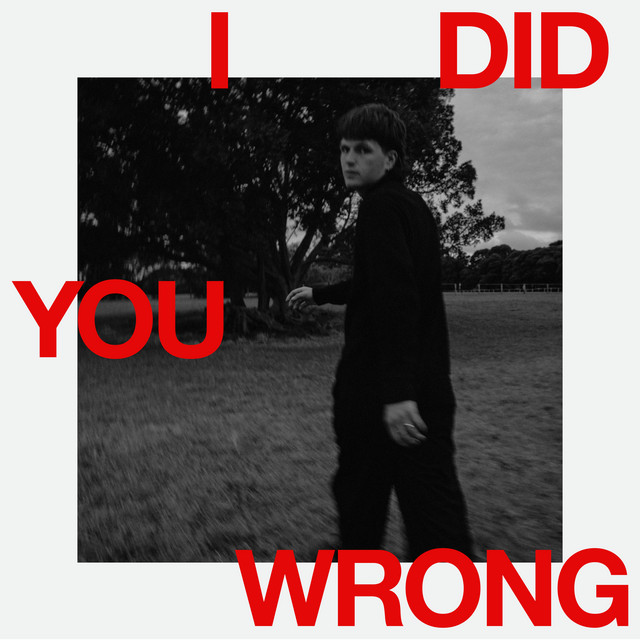
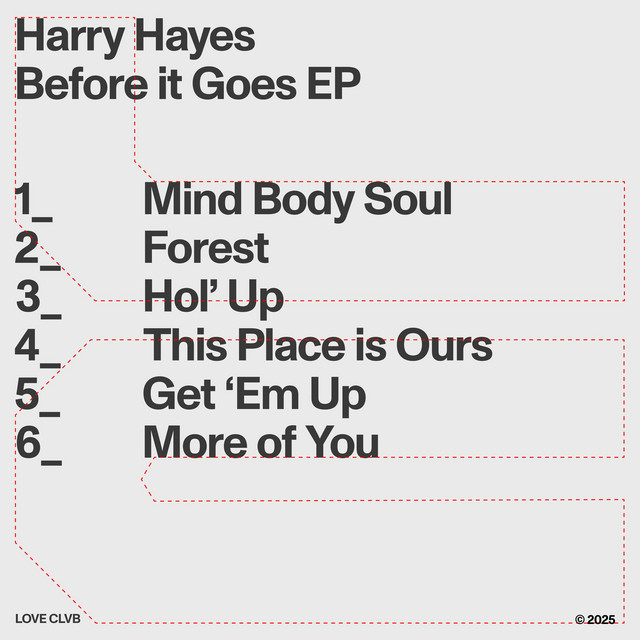
- Browse releases such as We Go So Good Together, I Did You Wrong, Your Love, Before It Goes - EP from the discography section, then open a track page from any album.
Community Ledger
No logs yet — yours would be the first on Risocast.